Introduction
When people think about raising respectful children, they often think about being strict.
Clear rules. Firm discipline. No room for mistakes.
But in real life, respect doesn’t grow from fear.
It grows from understanding, consistency, and the way we treat our children every day.
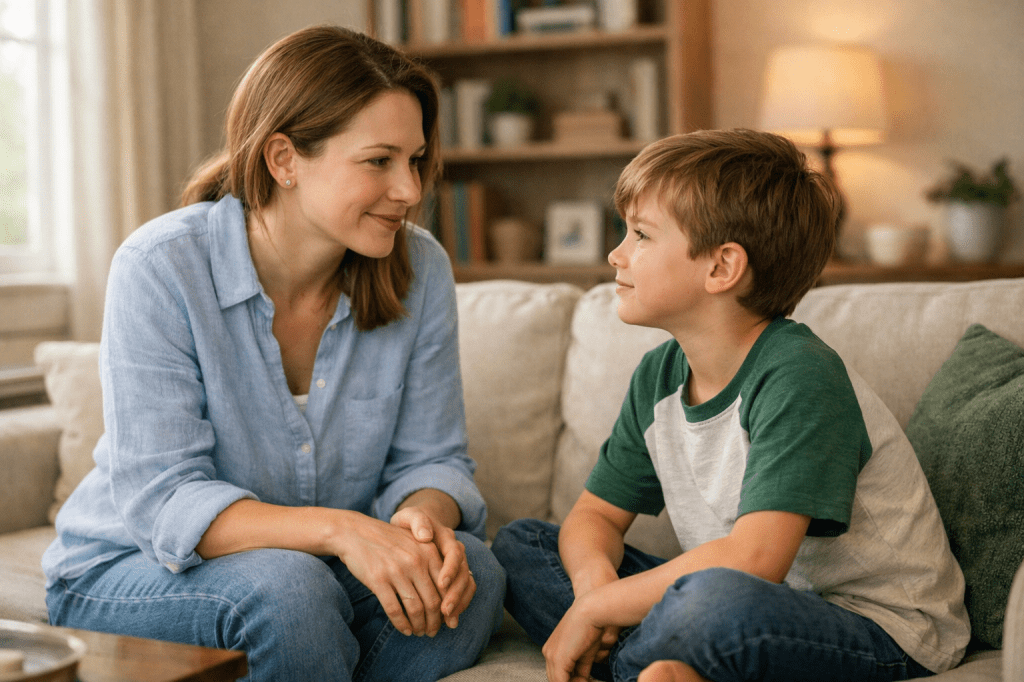
As a mum, I’ve seen that you can guide children to be respectful without raising your voice or being overly strict.
And when it comes from connection, it lasts longer.
🟡 Key Takeaways
- Respect is learned through everyday interactions
- Calm guidance works better than strict control
- Children copy what they see
- Connection builds lasting behaviour
What Respect Really Means for Children
Respect isn’t just about saying “please” and “thank you.”
It also looks like:
- Listening to others
- Speaking kindly
- Understanding boundaries
- Showing consideration
These are skills children learn over time not things they are born knowing.
Why Being Strict Doesn’t Always Work
Being strict may stop behaviour in the moment.
But it doesn’t always teach children why something matters.
Sometimes, it can lead to:
- Fear instead of understanding
- Silence instead of communication
- Obedience without connection
And over time, that can make things harder, not easier.
What Helps Children Become Respectful
Respect grows best in a calm and consistent environment.
When children feel:
- Heard
- Understood
- Guided (not controlled)
they are more likely to show that same respect back.
Speaking to Them With Respect
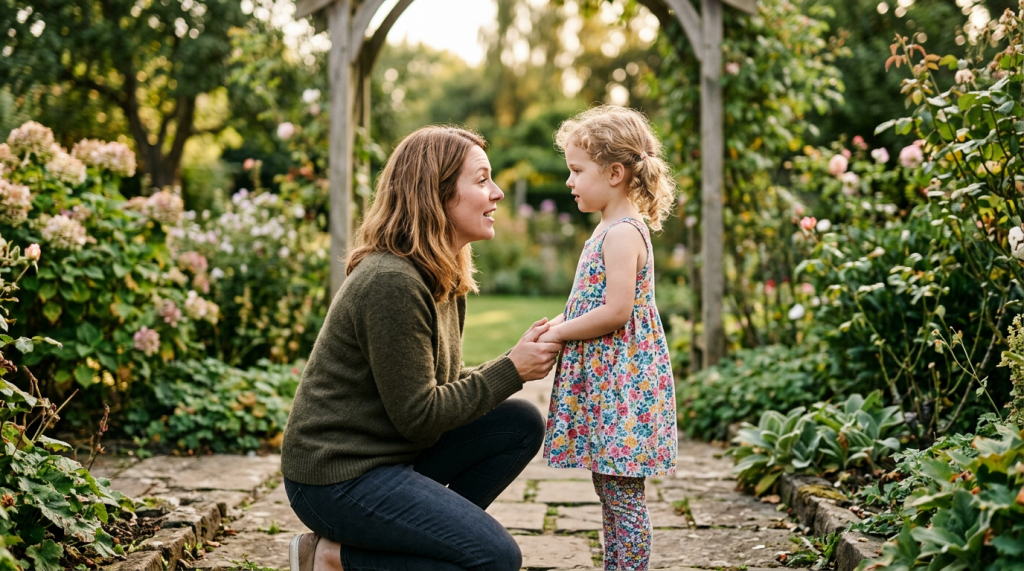
One of the biggest changes is how we speak to our children.
Even in difficult moments, using a calm and respectful tone makes a difference.
Instead of:
“Stop that now!”
You can say:
👉 “Let’s do this differently.”
Children learn how to speak by listening to us.
Some parents also find it helpful to read simple positive parenting books that explain how communication shapes behaviour over time.
Setting Clear and Calm Boundaries
Being gentle doesn’t mean having no boundaries.
Children still need to know what is okay and what is not.
You can say:
“I understand you’re upset, but we don’t speak like that.”
It’s firm, but still calm.
In our home, using simple tools like routine charts or behaviour charts has helped reinforce expectations in a clear and positive way.
Teaching, Not Just Correcting
Children don’t always know the right way to behave.
They are learning.
Instead of only correcting behaviour, guide them:
👉 “What could you do differently next time?”
Activities like role-play cards or simple social skills games can also help children practise respectful behaviour in a relaxed way.
Letting Them Feel Heard
Sometimes, children behave in ways that seem disrespectful because they feel unheard.
Taking a moment to listen can change everything.
Even simple words like:
“I understand how you feel”
can help them calm down and respond better.
Modelling the Behaviour You Want
Children learn more from what we do than what we say.
If we:
- Stay calm
- Speak kindly
- Show patience
they begin to copy those behaviours.
Respect is often caught, not just taught.
What I Have Noticed Over Time
When the focus shifts from control to guidance, things begin to change.
- Less shouting
- More understanding
- Better communication
Respect becomes something natural not something forced.
Conclusion
Raising respectful children doesn’t require strict parenting.
It requires:
- Consistency
- Patience
- Calm guidance
And over time, those small daily moments shape how children think, speak, and behave.
What helps your child show respect in everyday situations? I’d love to hear your experience.
💬 Final Thought
Respect grows best in an environment where children feel respected too.
👉 You Might Also Like
10 Positive Discipline Techniques That Actually Work
How to Handle Sibling Fighting in a Calm and Positive Way
How to Build Your Child’s Confidence in Everyday Life
 Smart Parent Guide
Leave a comment